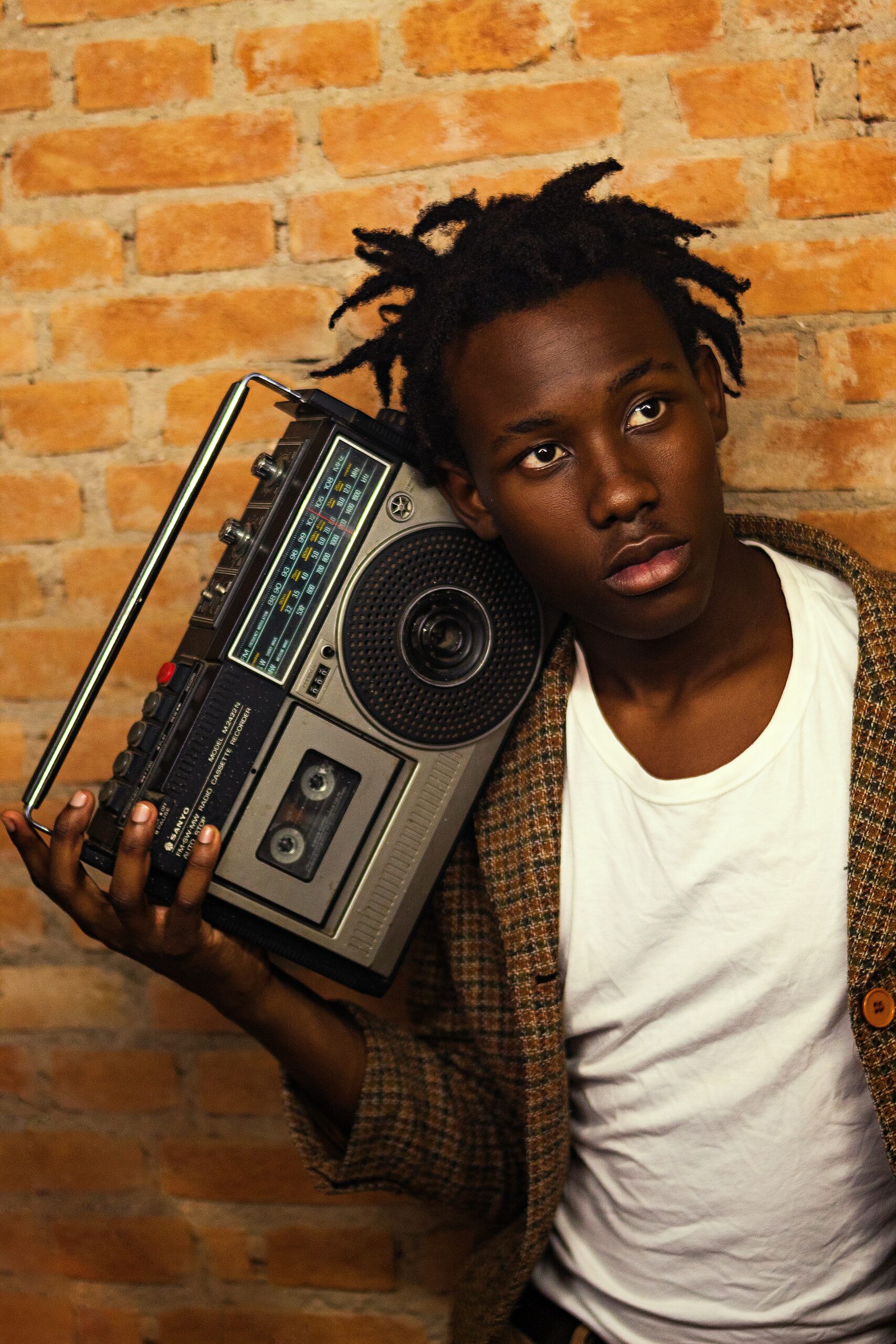
Spend money on radio, but not like you used to.
I am in a fortunate position in that I have worked through the decline and growth of major radio brands both in front of the mic and behind the scenes. I currently host a flagship show on a national station and own a marketing company. During my career I have worked for creative agencies, overseen account management for large-scale campaigns and executed others as a show host.
I consider this position fortunate because it has allowed me to experience the radio industry from a variety of different perspectives. It must be said that as a medium radio is my first love, and I am immensely biased, however from this circumspective vantage point I have come to make some observations about radio marketing that you might find interesting.
When I joined commercial radio in 2012 it was experiencing the beginnings of its decline. Radio was about to start losing the battle to digital. Reflecting on this period, I think it there was far too much hubris running though the veins of radio practitioners. Digital wasn’t taken seriously enough in my experience and the mantra that ‘radio will always be king’ because it had thus far successfully managed to outsmart other forms of media, was constantly repeated in the circles I was in.
The reality however was that radio simply couldn’t do certain things. Digital’s ability to measurably demonstrate ROI for brands was significantly better than the survey data radio was supplying and the cost to play was and remains significantly higher. Digital also meant personalised choice. Through streaming services consumers could decide exactly what they wanted to listen to and when.
The above paragraph is still reflective of the ways in which many marketing managers and agency types are thinking, but I want to argue that it’s no longer reality. Since the dawn of new challengers a decade ago there have remained a thread of dedicated radio practitioners who have quietly been innovating the medium, ensuring it stays relevant in an ever-changing landscape. I believe the fruits of their labour are beginning to be seen and I encourage all brands wanting to build authentic relationships with consumers to include radio into their marketing mix, but not how they used to.
Radio remains powerful when it works hard to not be generic. The ability for radio to create a dynamic, live-approach to content creation and community building still remains one of its greatest strengths.
Having worked as both a digital strategist for major brands and as host of large radio shows, I can say with confidence that the rate of engagement of a radio station’s WhatsApp line is quicker and far more nuanced than organic social media posting from big accounts. Radio stations can generate hundreds, if not thousands of responses in minutes that range from seemingly frivolous to personal and vulnerable opinions. Any marketer unsure about radio’s relevance should shadow a producer for a day and witness this first hand.
During my career I have worked on building radio concepts as opposed to generic features. These concepts manifested as campaigns, focused on immersive storytelling. Among these projects are the likes of 6 heritage tours, where I spend September documenting great South African stories, inviting South Africans along for the on air journey. Trips to Colombia, Mauritius, Croatia and Antarctica, all where brand messaging was integrated into a story-led campaign. In addition to the travel space, I have developed and sold countless other campaigns, like 30 Dreams in 30 Days, where we spent a month fulfilling the dreams of children with life-threatening illness to celebrate the 30th birthday of Reach for a Dream. Through my experience I have come to understand the architecture of how to align a brand’s message with the market’s interest. The focus has been about creating opportunities for brands to amplify their objectives through integrated content marketing that allows them to intercept the captive audience these campaigns have generated in non-intrusive, organic ways.
It’s also important to point out that I’m not unique. I am constantly in awe of incredible radio campaigns that my peers in the industry pull off. Last year, KFM raised R18m to feed children at risk. I challenge any marketer to think of other forms of media attracting that kind of interest and traction in such a short space of time. These are not isolated incidents, but rather testaments to the unique power and penetration that radio is able to achieve.
Coming to the question of this article’s title. When I advise marketing managers on how to spend their money on radio, I advise them not to focus on paying for thirty second generics. While I think that they certainly have their place, I believe a far more effective way to approach radio is to look to find ways to create campaigns that focus on radio’s biggest strength, storytelling. By finding creative ways to tell a story about your brand or a particular objective you are currently trying to drive, you create cultural moments, which can be long-lasting and extremely impactful. The campaigns I have built have enjoyed success beyond radio, receiving attention in national newspapers, television channels and also within the digital landscape.
One of the key focuses of Walk Communications is finding ways to build these kinds of campaigns and properties for brands. As more of the brand custodians I engage with begin to grow an appetite for this approach, I become increasingly excited for the future. In a world where the biggest challenge of the marketer is finding a way to standout among the noise, competing against a shrinking attention economy, watering the garden of a brand with immersive storytelling through radio campaigns is a tactic I would highly advise considering.
So, spend your money of radio, but don’t just throw it at generics, live reads and traffic sponsorships. Come to Walk Communications and let us to build a campaign tailored to your brand and allow yourself the opportunity to enjoy the same success that this kind of marketing has afforded others.